
What Ceramic Tiles Are: A Complete Guide to Ceramic Tile
If you are researching what ceramic tiles are, you’re likely considering tile for a floor, wall, kitchen backsplash, bathroom, or another area of your home. Ceramic tiles are one of the most popular tile options because they combine attractive designs, durability, versatility, and relatively simple maintenance.
Ceramic tiles are generally made from natural clay and other mineral materials that are shaped and fired in a kiln. They can be finished with a decorative glaze, giving homeowners a wide range of colors, patterns, textures, and styles to choose from.
At Ray Tile LLC, understanding the characteristics of different tile materials can help you choose the right option for your project.
What Are Ceramic Tiles?
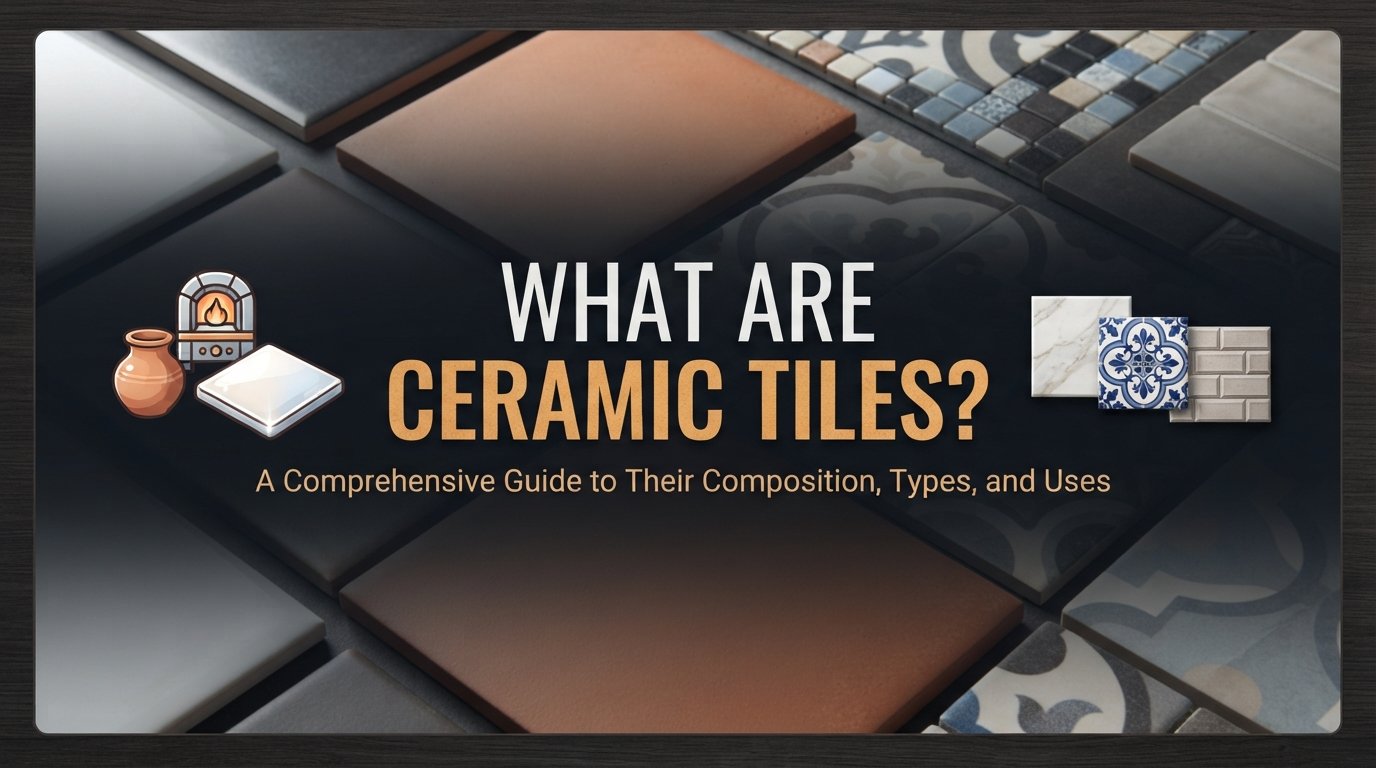
Ceramic tiles are tile products made primarily from clay and other natural materials that are shaped and fired at high temperatures. Depending on the manufacturing process and finish, ceramic tiles can be used for floors, walls, backsplashes, bathrooms, kitchens, and decorative applications.
Ceramic tile can be glazed or unglazed. Glazed ceramic tiles have a protective glass-like coating applied to the surface, which can improve resistance to stains and provide additional design options.
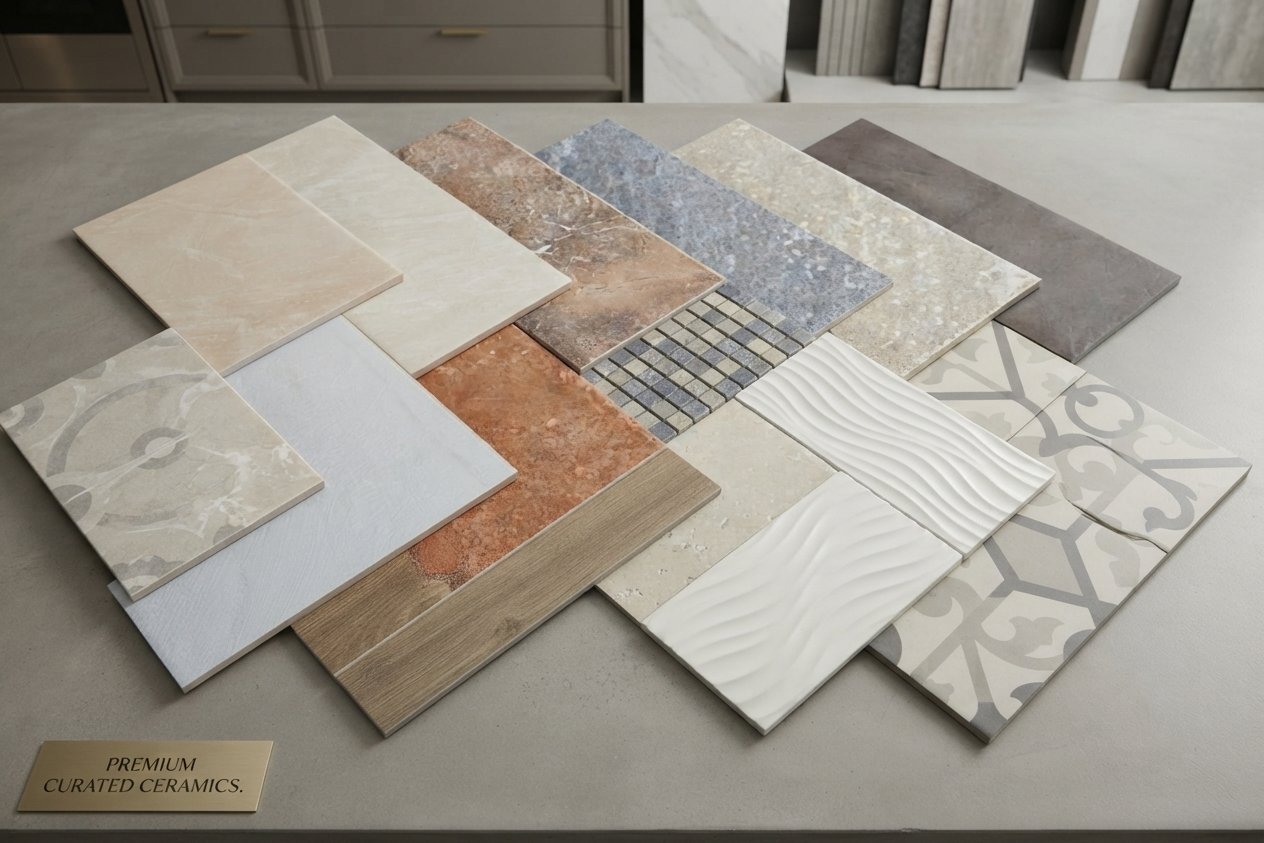
Ceramic tiles are available in many shapes and sizes, including squares, rectangles, mosaics, hexagons, and larger-format designs. This variety makes them suitable for both traditional and contemporary interior designs.
How Are Ceramic Tiles Made?
The basic ceramic tile manufacturing process involves several stages.
1. Preparing the Materials
Clay and other mineral materials are selected and processed to create the tile body.
2. Shaping the Tile
The prepared material is formed into the desired tile shape and size.
3. Drying
The shaped tiles are carefully dried to remove moisture before firing.
4. Firing
The tiles are placed in a kiln and fired at high temperatures. This process hardens the material and gives the tile its finished physical properties.
5. Applying a Glaze
For glazed ceramic tiles, a decorative and protective coating is applied before or during the firing process.
The result is a hard, practical surface that can be manufactured in an extensive range of colors, patterns, textures, and finishes.
What Are the Different Types of Ceramic Tiles?
Ceramic tiles come in numerous styles and finishes. Some of the most common options include:
Glazed Ceramic Tiles
Glazed tiles have a glass-like coating on their surface. This finish can provide color and pattern while helping the surface resist stains.
Glazed ceramic tiles are commonly used for:
Kitchen backsplashes
Bathroom walls
Shower walls
Interior walls
Floors
Decorative features
Unglazed Ceramic Tiles
Unglazed ceramic tiles do not have the additional surface glaze. Their appearance generally comes from the natural characteristics of the tile material or pigments incorporated during manufacturing.
They can provide a more natural or understated appearance but may require different maintenance depending on the specific product and application.
Mosaic Ceramic Tiles
Mosaic tiles are smaller individual tiles arranged into patterns or sheets. They can be used to create decorative designs in bathrooms, kitchens, shower areas, backsplashes, and accent walls.
Subway Ceramic Tiles
Subway tile is a popular rectangular format often associated with classic kitchen and bathroom designs. Modern versions are available in many colors, sizes, textures, and finishes.
Decorative Ceramic Tiles
Decorative ceramic tiles can incorporate patterns, textures, geometric designs, or other visual elements. They are often used to create accent walls, borders, backsplashes, or focal points.
Where Can Ceramic Tiles Be Used?
One of the biggest advantages of ceramic tile is its versatility.
Ceramic Tiles for Kitchens
Ceramic tile is commonly used in kitchens because it is easy to clean and available in many designs.
Popular applications include:
Kitchen floors
Backsplashes
Walls
Countertops in suitable applications
Decorative accents
A glazed ceramic surface can provide additional resistance to stains and make everyday cleaning easier.
Ceramic Tiles for Bathrooms
Ceramic tile is a popular bathroom material because it can be used across many surfaces and is available in designs suitable for both floors and walls.
Common applications include:
Bathroom floors
Shower walls
Tub surrounds
Backsplashes
Bathroom walls
However, the specific tile’s water absorption, slip resistance, and manufacturer’s recommended application should always be considered when selecting tile for a wet area.
Ceramic Floor Tiles
Ceramic floor tiles can provide a durable, attractive surface for many interior areas.
Before choosing ceramic flooring, consider:
Expected foot traffic
Tile durability rating
Water exposure
Slip resistance
Tile size
Surface texture
Installation requirements
Ceramic Wall Tiles
Ceramic wall tile is an effective way to add color, texture, or visual interest to an interior space.
Wall applications can include bathrooms, kitchens, entryways, feature walls, and backsplashes.
What Are the Benefits of Ceramic Tiles?
Ceramic tiles offer several benefits that make them a popular choice for residential projects.
1. Wide Range of Designs
Ceramic tiles are available in many colors, patterns, shapes, sizes, and finishes. This makes it easier to coordinate tile with different interior design styles.
2. Easy Maintenance
Many ceramic tile surfaces are relatively easy to clean. Routine sweeping or vacuuming followed by appropriate mopping can help keep tile surfaces looking their best.
3. Versatility
Ceramic tile can be used in many areas of a home, including kitchens, bathrooms, living spaces, hallways, and walls.
4. Water Resistance
Many glazed ceramic tile products offer good resistance to water and moisture. However, not every ceramic tile is appropriate for every wet or outdoor application, so always check the manufacturer’s specifications.
5. Design Flexibility
Ceramic tiles can replicate different visual styles, from simple solid colors to decorative patterns and natural-material looks.
6. Cost-Effective Options
Ceramic tile is available across a broad range of price points, making it an option for homeowners working with different project budgets.
Ceramic vs. Porcelain Tile: What’s the Difference?
One of the most common questions when choosing tile is “What is the difference between ceramic and porcelain tile?”
Both ceramic and porcelain tiles are clay-based and kiln-fired. However, porcelain is generally manufactured using denser materials and fired under different conditions, resulting in a denser, less water-absorbent product. Porcelain is technically a type of ceramic tile.
| Feature | Ceramic Tile | Porcelain Tile |
|---|---|---|
| Material | Clay-based | Specialized clay-based ceramic |
| Density | Generally less dense | Generally denser |
| Water absorption | Varies by product | Generally lower |
| Cutting | Often easier to cut | Can require specialized tools |
| Design options | Extensive | Extensive |
| Typical applications | Interior floors and walls | Interior and many exterior applications |
| Cost | Often more budget-friendly | Often more expensive |
Which one should you choose?
Ceramic tile can be an excellent choice for many interior applications where design, affordability, and easy installation are priorities. Porcelain may be preferable where greater density, lower water absorption, or higher durability is required.
The right choice ultimately depends on the specific room, tile specifications, installation conditions, and project requirements.
Are Ceramic Tiles Good for Floors?
Yes, ceramic tiles can be an excellent flooring option for many interior spaces, provided the selected tile is rated for the intended application.
Ceramic flooring is commonly considered for:
Kitchens
Bathrooms
Entryways
Laundry rooms
Hallways
Living areas
Before purchasing floor tile, check the manufacturer’s specifications for durability, water absorption, slip resistance, and recommended use.
Are Ceramic Tiles Good for Bathrooms?
Ceramic tiles can be a good option for bathrooms, particularly for walls, backsplashes, and suitable flooring products.
When selecting bathroom tile, don’t choose based solely on appearance. Consider moisture exposure, slip resistance, maintenance requirements, grout, and the manufacturer’s recommended application.
For wet environments, proper installation and appropriate waterproofing are just as important as selecting the tile itself.
How Do You Clean Ceramic Tiles?
Ceramic tile maintenance is generally straightforward.
For routine cleaning:
Sweep or vacuum loose dirt and debris.
Mop using a suitable tile cleaner or appropriate cleaning solution.
Wipe up spills promptly.
Clean grout regularly.
Follow the manufacturer’s cleaning recommendations.
Avoid abrasive cleaning products or tools that could damage the tile surface. Product-specific maintenance instructions should always take priority.
How Are Ceramic Tiles Installed?
Ceramic tile installation requires careful preparation to achieve a long-lasting result.
The basic process generally includes:
Preparing the substrate.
Measuring the installation area.
Planning the tile layout.
Applying appropriate thin-set mortar.
Positioning the tiles.
Using spacers to maintain consistent joints.
Cutting tiles where necessary.
Allowing the mortar to cure.
Applying grout.
Cleaning and finishing the installation.
Proper substrate preparation is particularly important. A flat, stable surface helps provide the foundation for a successful tile installation.
How Do You Choose the Right Ceramic Tile?
When shopping for ceramic tile, consider more than color and appearance.
Consider the Location
A kitchen floor, bathroom wall, shower area, and decorative backsplash may require different tile characteristics.
Consider Traffic
High-traffic floors require products designed for the expected level of use.
Consider Moisture
For bathrooms and other wet areas, pay attention to the tile’s water absorption and suitability for the intended application.
Consider Slip Resistance
Floor tiles in bathrooms, entrances, and other areas exposed to water may require appropriate slip-resistant characteristics.
Consider Size
Large-format tiles can create a clean, modern appearance, while smaller tiles and mosaics can provide greater design flexibility.
Consider Maintenance
Think about how much time you want to spend cleaning the tile and grout.
Consider Your Overall Design
Choose a tile that works with your cabinets, countertops, flooring, fixtures, walls, and overall interior style.
Ceramic Tile Design Ideas
Ceramic tile can be used to create many different looks.
Some popular design approaches include:
Classic white subway tile
Modern neutral floor tile
Geometric patterns
Hexagon tiles
Marble-look ceramic tile
Stone-look ceramic tile
Wood-look tile designs
Decorative backsplash tile
Large-format contemporary tile
Mosaic accent walls
Because ceramic tile is available in so many colors, shapes, and patterns, it can work with traditional, modern, minimalist, rustic, and transitional interiors.
Is Ceramic Tile Right for Your Project?
The answer depends on where you plan to install it and the characteristics you need.
Ceramic tile may be a strong choice if you want:
A versatile tile material
Numerous design options
Relatively easy maintenance
A practical interior surface
Options for different budgets
Tile for walls, floors, backsplashes, and decorative applications
However, every tile product is different. Always review the manufacturer’s specifications before choosing a product for a particular installation.
Frequently Asked Questions About Ceramic Tiles
What are ceramic tiles?
Ceramic tiles are tile products primarily made from clay and other mineral materials that are shaped and fired at high temperatures. They can be glazed or unglazed and are used for floors, walls, backsplashes, bathrooms, kitchens, and decorative applications.
Are ceramic tiles good for flooring?
Yes. Ceramic tiles can be suitable for many interior flooring applications, including kitchens, bathrooms, hallways, and entryways. The specific tile should be rated for the intended floor application.
Are ceramic tiles waterproof?
Ceramic tiles can be water-resistant, particularly glazed products, but the term “waterproof” should not automatically be applied to every ceramic tile. Water absorption varies by product, and a complete tile installation also depends on proper substrate preparation, grout, waterproofing, and installation.
Are ceramic tiles better than porcelain?
Neither is universally better. Ceramic may offer advantages in cost and ease of cutting, while porcelain is generally denser and less water-absorbent. The best option depends on the location and requirements of your project.
Can ceramic tiles be used in bathrooms?
Yes. Ceramic tile is commonly used for bathroom walls, floors, backsplashes, and other applications when the selected product is appropriate for the intended environment.
Are ceramic tiles easy to maintain?
Generally, yes. Regular sweeping or vacuuming and appropriate mopping can help maintain ceramic tile. Grout also requires periodic cleaning and, depending on the grout type, may require sealing.
How long do ceramic tiles last?
The lifespan of ceramic tile depends on the product, installation quality, traffic, moisture exposure, and maintenance. Properly selected and installed tile can provide long-term service.
Final Thoughts: What Ceramic Tiles Are
So, what are ceramic tiles?
Ceramic tiles are versatile, clay-based tile products that are shaped and fired at high temperatures. They are available in an extensive range of colors, sizes, patterns, textures, and finishes, making them suitable for many residential flooring and wall applications.
From kitchen backsplashes and bathroom walls to interior floors and decorative features, ceramic tile gives homeowners a combination of design flexibility and practical performance.
If you’re planning a tile project, choosing the right product involves more than finding a style you like. Consider the installation location, moisture exposure, traffic, maintenance requirements, durability, and manufacturer’s recommendations before making your final selection.
Looking for quality tile for your next project? Explore the tile options available from Ray Tile LLC and find a style that fits your space, design, and project requirements.
Quick Answer
What ceramic tiles are: Ceramic tiles are clay-based tiles that are shaped and fired in a kiln. They can be glazed or unglazed and are commonly used for floors, walls, kitchens, bathrooms, backsplashes, and decorative applications. They are popular because they offer extensive design choices, practical durability, and relatively easy maintenance.