
What Are Tiles Made Of? A Complete Guide to Tile Materials
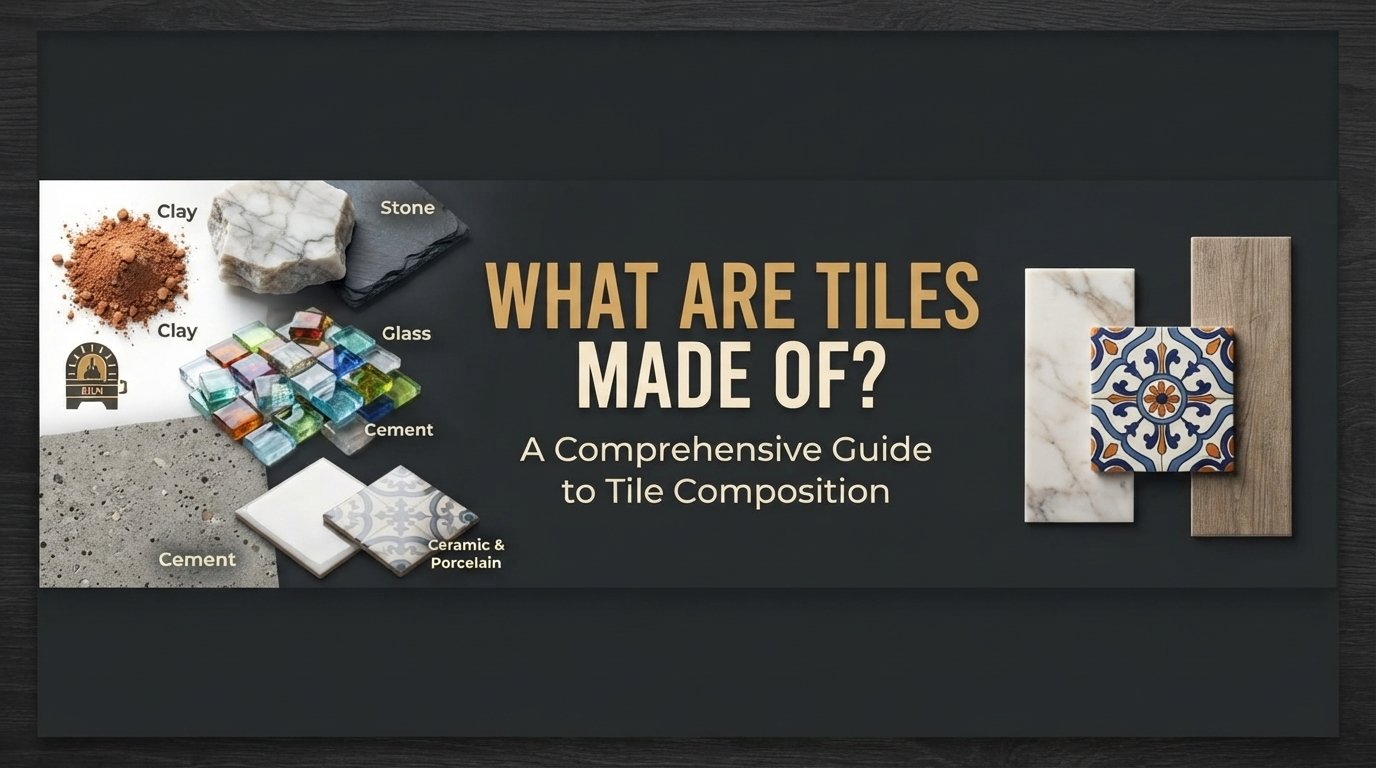
If you have ever looked at a tile and wondered “what are tiles made of?”, the answer depends on the type of tile. Tiles can be manufactured from a variety of materials, including clay, minerals, natural stone, glass, cement, metal, and other specialized materials.
The most common tile materials used in homes and commercial spaces are ceramic, porcelain, natural stone, glass, and cement. Each material has different characteristics, making some tiles better suited for floors, walls, bathrooms, kitchens, outdoor spaces, or decorative applications.
At Ray Tile LLC, understanding what tiles are made of can help you make a more informed decision when selecting tile for your next project.
What Are Tiles Made Of?
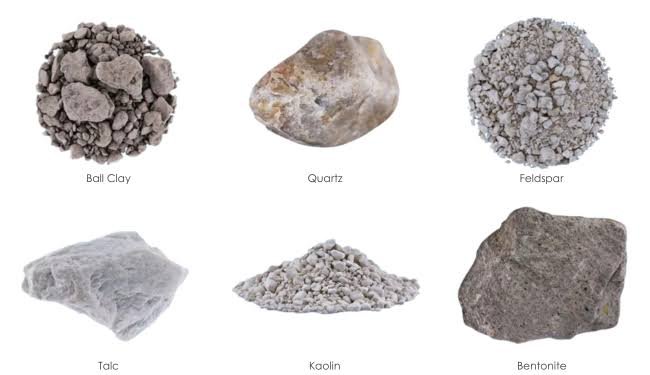
Tiles are made from different materials depending on their type and intended application. Ceramic and porcelain tiles are primarily made from clay and mineral materials that are shaped and fired at high temperatures. Natural stone tiles are cut from quarried stone, while glass tiles are manufactured from glass.
Common tile materials include:
Clay and minerals
Porcelain materials
Natural stone
Glass
Cement
Metal
Quarry materials
The manufacturing process, material composition, density, surface finish, and water absorption can vary considerably between tile products.
What Are Ceramic Tiles Made Of?
Ceramic tiles are primarily made from clay and other natural mineral materials. These materials are processed, shaped into tiles, dried, and fired in a kiln at high temperatures.
Many ceramic tiles are also glazed. A glaze is applied to the surface and fired to create a durable decorative finish.
Ceramic tiles can be produced in many colors, shapes, sizes, textures, and patterns. They are commonly used for:
Kitchen backsplashes
Bathroom walls
Interior floors
Shower walls
Decorative walls
Entryways
The exact composition and manufacturing process can differ between ceramic tile products, so product specifications should always be checked before selecting a tile for a particular application.
What Are Porcelain Tiles Made Of?
Porcelain tiles are also made primarily from clay and mineral materials, but they are manufactured using a carefully selected mixture and firing process that produces a dense, low-water-absorption tile.
Porcelain is technically a type of ceramic tile. However, its manufacturing characteristics generally make it denser and less porous than standard ceramic tile.
Porcelain tiles are commonly used for:
Floors
Bathrooms
Kitchens
High-traffic areas
Commercial spaces
Some outdoor applications
The specific product should always be checked for its intended use, especially for exterior or wet-area installations.
What Are Natural Stone Tiles Made Of?
Unlike manufactured ceramic and porcelain tiles, natural stone tiles are made from quarried natural rock.
Common natural stone tile materials include:
Marble
Marble is a natural stone known for its distinctive veining and luxurious appearance. It is commonly used for floors, walls, bathrooms, countertops, and decorative features.
Granite
Granite is a dense natural stone that can provide a durable surface for various applications.
Slate
Slate has a naturally textured appearance and is available in different colors and tones. It is often used for floors, walls, entryways, and other architectural applications.
Travertine
Travertine is a type of limestone with a naturally porous appearance. It can be used for floors, walls, bathrooms, patios, and other applications when properly selected and installed.
Limestone
Limestone is another natural stone option that can provide a softer, natural appearance.
Because natural stone is formed by geological processes, each piece can have variations in color, texture, veining, and pattern.
What Are Glass Tiles Made Of?
Glass tiles are made from glass that is formed and processed into tile shapes and sizes.
Glass tiles are particularly popular for decorative applications because they can create reflective surfaces and allow light to interact with the material.
They are commonly used for:
Kitchen backsplashes
Bathroom walls
Shower features
Accent walls
Borders
Decorative mosaics
Glass tile is generally selected for its appearance and design qualities, although suitability varies depending on the specific product and installation location.
What Are Cement Tiles Made Of?
Cement tiles are made using cement-based materials, mineral aggregates, pigments, and other components depending on the manufacturing method.
Unlike fired ceramic tiles, traditional cement tiles are typically formed under pressure rather than being fired in a kiln.
Cement tiles are often recognized for their distinctive patterns and decorative designs. They can be used for floors, walls, backsplashes, and other architectural applications.
Because cement-based tiles can be porous, appropriate sealing and maintenance may be important depending on the product.
What Are Quarry Tiles Made Of?
Quarry tiles are generally made from natural clay and shale materials that are shaped and fired at high temperatures.
They are typically unglazed and have a natural, earthy appearance.
Quarry tiles are often used in areas where a durable, traditional-looking floor surface is desired, including some commercial and residential applications.
What Are Metal Tiles Made Of?
Metal tiles are manufactured from metals such as:
Stainless steel
Aluminum
Copper
Brass
They are often used as decorative accents rather than as the primary flooring material.
Metal tile can be particularly effective for:
Kitchen backsplashes
Feature walls
Decorative borders
Contemporary interiors
Metal finishes can provide a modern, industrial, or luxurious appearance depending on the material and design.
What Are Mosaic Tiles Made Of?
Mosaic describes a format or design approach rather than one specific material.
Mosaic tiles can be made from:
Ceramic
Porcelain
Glass
Natural stone
Metal
Mixed materials
Mosaic tiles are usually smaller pieces arranged individually or mounted on sheets. They can create intricate patterns and are popular for backsplashes, shower floors, bathroom walls, accent areas, and decorative designs.
How Are Tiles Manufactured?
Although the manufacturing process differs depending on the material, manufactured tiles generally go through several stages.
1. Material Preparation
Raw materials such as clay, minerals, stone, glass, or cement are prepared according to the type of tile being produced.
2. Forming
The material is shaped into the desired tile dimensions. Depending on the product, this may involve pressing, molding, cutting, or other manufacturing techniques.
3. Drying or Processing
Some tile materials need to be dried before further processing.
4. Firing or Curing
Ceramic and porcelain tiles are fired in kilns at high temperatures.
Cement tiles, on the other hand, are generally cured rather than kiln-fired.
Natural stone tiles are cut and processed from quarried stone.
5. Finishing
Tiles may receive additional finishes such as glazing, polishing, honing, texturing, or other surface treatments.
6. Quality Inspection
Finished tiles are inspected for characteristics such as dimensions, appearance, surface quality, and suitability for their intended application.
What Is the Difference Between Ceramic and Porcelain Tile Materials?
Ceramic and porcelain tiles are both clay-based products, but their composition and manufacturing processes differ.
| Feature | Ceramic Tile | Porcelain Tile |
|---|---|---|
| Primary material | Clay and minerals | Specialized clay and mineral mixture |
| Manufacturing | Kiln-fired | Kiln-fired at high temperatures |
| Density | Generally less dense | Generally denser |
| Water absorption | Varies | Generally lower |
| Applications | Walls and many interior floors | Floors, walls and many demanding applications |
| Design options | Wide variety | Wide variety |
Porcelain is technically a type of ceramic tile, but its manufacturing process produces a denser and less water-absorbent material.
The best choice depends on the specific installation and the specifications of the tile being considered.
Which Tile Material Is Best?
There is no single tile material that is best for every project.
The right material depends on where the tile will be installed and what characteristics are important.
For Kitchen Backsplashes
Ceramic, porcelain, glass, and some natural stone tiles can all be suitable options.
For Bathroom Walls
Ceramic, porcelain, glass, and natural stone can provide attractive options, provided the selected product is appropriate for the environment.
For Flooring
Ceramic, porcelain, natural stone, quarry, and other flooring-rated tile products may be considered depending on traffic and environmental conditions.
For Outdoor Areas
Porcelain, natural stone, quarry tile, and other products specifically rated for exterior use may be appropriate depending on climate and installation conditions.
Always check the manufacturer’s specifications before choosing a tile for a particular application.
How Do You Choose the Right Tile Material?
When comparing tile materials, consider these factors:
1. Location
A tile installed on a bathroom wall may have different requirements from one installed on a busy commercial floor.
2. Moisture
Bathrooms, showers, kitchens, and outdoor spaces can expose tile to water and moisture. Choose products specifically suited to the environment.
3. Foot Traffic
High-traffic floors require tile designed to withstand the expected level of use.
4. Maintenance
Different materials can have different cleaning and maintenance requirements.
5. Appearance
Consider the color, texture, pattern, finish, and overall design of the tile.
6. Budget
Tile materials vary significantly in price. Establishing your budget can help narrow down the appropriate options.
7. Installation
Tile size, material, substrate conditions, layout, and installation method can all affect the overall project.
Are Tiles Environmentally Friendly?
The environmental impact of tile depends on the material, manufacturing process, transportation, installation, maintenance, and eventual disposal.
Some tile products are manufactured using naturally occurring materials such as clay and minerals. Natural stone is quarried, while glass tiles use processed glass.
If sustainability is important for your project, look for manufacturers that provide information about recycled content, manufacturing practices, product certifications, and environmental performance.
Frequently Asked Questions About Tile Materials
What are tiles made of?
Tiles can be made from several different materials. Common options include clay and minerals for ceramic and porcelain tiles, natural stone for stone tiles, glass for glass tiles, cement-based materials for cement tiles, and metals such as stainless steel or aluminum for metal tiles.
What are floor tiles made of?
Floor tiles can be made from ceramic, porcelain, natural stone, quarry materials, cement, and other materials. The best option depends on traffic, moisture, slip resistance, durability, and the manufacturer’s recommended application.
What are ceramic tiles made of?
Ceramic tiles are primarily made from clay and mineral materials. They are shaped, dried, and fired at high temperatures. Many ceramic tiles are glazed to provide a decorative and protective surface.
What are porcelain tiles made of?
Porcelain tiles are made from a specialized mixture of clay and mineral materials and are fired at high temperatures. The manufacturing process produces a dense, low-water-absorption tile.
Are ceramic and porcelain tiles made from the same material?
They are both clay-based ceramic products, but porcelain uses a specialized composition and manufacturing process that generally produces a denser and less water-absorbent tile.
What are bathroom tiles made of?
Bathroom tiles can be made from ceramic, porcelain, glass, natural stone, and other materials. The appropriate choice depends on whether the tile will be used on a wall, floor, shower surface, or another area.
What are kitchen backsplash tiles made of?
Kitchen backsplash tiles are commonly made from ceramic, porcelain, glass, natural stone, and sometimes metal. The choice usually depends on the desired appearance, maintenance requirements, budget, and installation conditions.
Are tiles made from natural materials?
Many tiles use naturally occurring materials. Ceramic and porcelain use clay and minerals, while natural stone tiles are cut from quarried rock. Other tiles, such as glass and metal tiles, are manufactured from processed materials.
Final Thoughts: What Are Tiles Made Of?
So, what are tiles made of?
The answer depends on the type of tile. Ceramic and porcelain tiles are primarily made from clay and minerals, natural stone tiles are cut from quarried rock, glass tiles are made from glass, cement tiles use cement-based materials, and metal tiles are made from materials such as aluminum, stainless steel, copper, or brass.
Understanding the material behind a tile is important because it can affect the tile’s appearance, durability, maintenance, water absorption, installation requirements, and appropriate applications.
Whether you’re remodeling a kitchen, updating a bathroom, installing new flooring, or creating a decorative feature wall, choosing the right tile material can make a significant difference in the finished project.
Explore tile options from Ray Tile LLC to find materials and designs suited to your next project.
Quick Answer: What Are Tiles Made Of?
Tiles are made from different materials depending on their type. Ceramic and porcelain tiles are primarily made from clay and minerals, natural stone tiles come from quarried rock, glass tiles are made from glass, cement tiles use cement-based materials, and metal tiles are made from metals such as aluminum, stainless steel, copper, or brass.