
What Are the Different Types of Tiles? A Complete Guide
If you’re planning a kitchen renovation, bathroom remodel, flooring project, or home improvement project, choosing the right tile can make a major difference. But with so many materials, finishes, sizes, and styles available, it can be difficult to know which option is right for your space.
So, what are the different types of tiles?
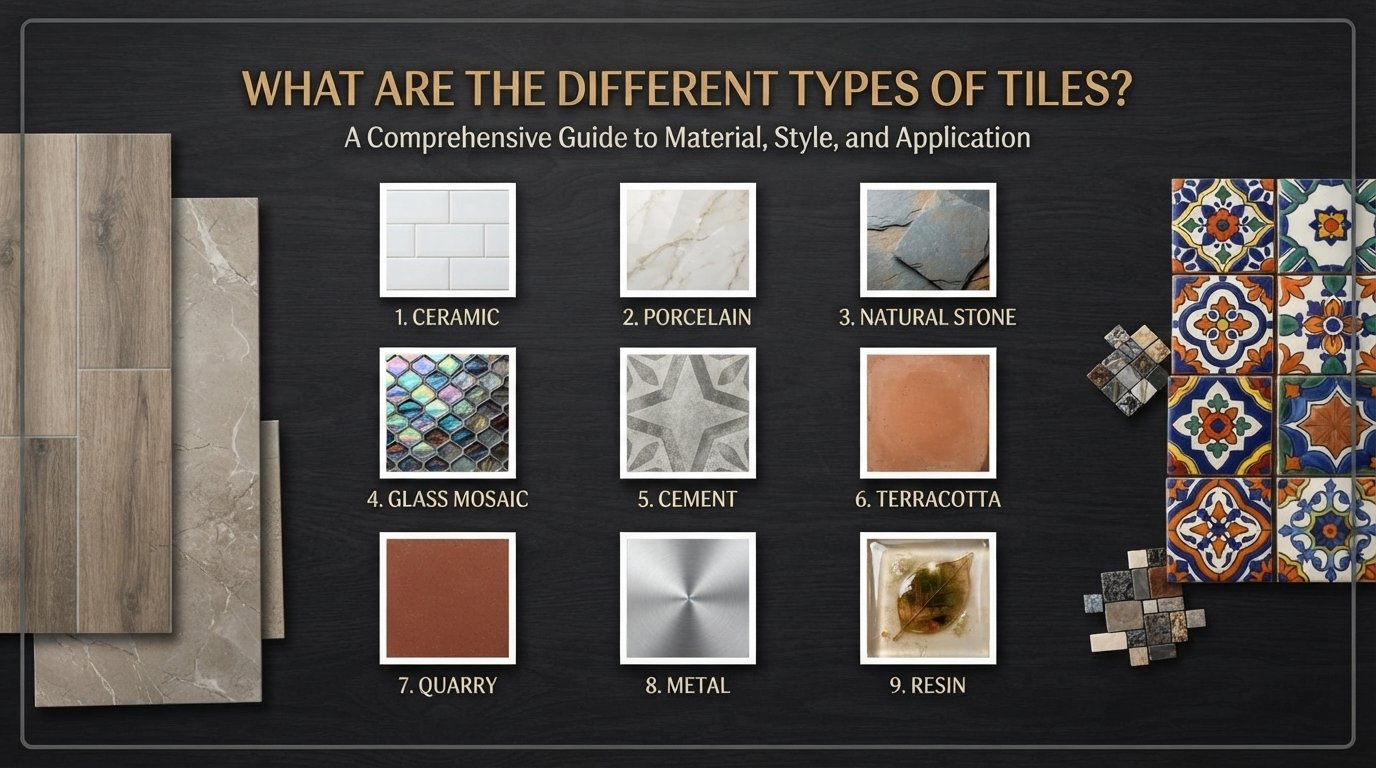
The most common types include ceramic, porcelain, natural stone, glass, mosaic, cement, quarry, and metal tiles. Each type has its own characteristics, appearance, maintenance requirements, and ideal applications.
In this guide, Ray Tile LLC explains the major types of tiles and what you should consider before choosing one for your project.
What Are the Different Types of Tiles?
The main types of tiles include:
Ceramic tiles
Porcelain tiles
Natural stone tiles
Glass tiles
Mosaic tiles
Cement tiles
Quarry tiles
Metal tiles
Terracotta tiles
Terrazzo tiles
The best tile depends on factors such as where it will be installed, moisture exposure, foot traffic, maintenance requirements, design preferences, and budget.
1. Ceramic Tiles
Ceramic tile is one of the most widely used types of tile for residential interiors.
Ceramic tiles are primarily made from clay and mineral materials that are shaped and fired at high temperatures. They can be glazed or unglazed and are available in a huge variety of colors, patterns, sizes, and finishes.
Ceramic tiles are commonly used for:
Kitchen backsplashes
Bathroom walls
Interior floors
Shower walls
Entryways
Decorative walls
Benefits of Ceramic Tiles
Wide variety of designs
Relatively easy to maintain
Available at different price points
Versatile for interior applications
Easy to coordinate with other finishes
Ceramic tile can be an excellent option when you want a combination of style, practicality, and design flexibility.
2. Porcelain Tiles
Porcelain tile is a type of ceramic tile made using a specialized manufacturing process that produces a dense, low-water-absorption product.
Porcelain tiles are popular for both residential and commercial projects because they can provide durability and a wide range of design options.
Common applications include:
Kitchen floors
Bathroom floors
Living areas
Hallways
Commercial floors
Walls
Some exterior applications
Porcelain tiles can also be manufactured to resemble materials such as natural stone, wood, concrete, or marble.
Ceramic vs. Porcelain
The main distinction is that porcelain is generally denser and less water-absorbent than standard ceramic tile.
However, porcelain is technically a type of ceramic tile.
When choosing between the two, consider the specific application and the manufacturer’s product specifications.
3. Natural Stone Tiles
Natural stone tiles are made from quarried stone rather than manufactured clay.
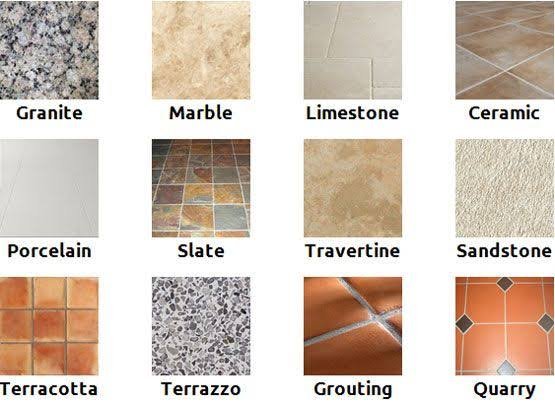
Popular natural stone options include:
Marble
Granite
Slate
Travertine
Limestone
Onyx
Natural stone is popular for its unique appearance because no two pieces are necessarily identical.
Marble Tile
Marble provides a distinctive, elegant appearance and is often used in bathrooms, floors, walls, and decorative applications.
Granite Tile
Granite is known for its dense structure and natural variation. It can be considered for floors, walls, and other suitable applications.
Slate Tile
Slate offers a naturally textured appearance and earthy color variations. It is commonly used for floors and accent areas.
Travertine Tile
Travertine has a characteristic porous appearance and natural variation. It can be used for both interior and exterior applications when properly selected and installed.
Limestone Tile
Limestone provides a softer, natural appearance and can complement traditional and contemporary designs.
Things to Consider With Natural Stone
Natural stone can require more maintenance than some manufactured tile products. Depending on the stone and application, sealing may be necessary.
Always follow the manufacturer’s care and maintenance recommendations.
4. Glass Tiles
Glass tiles are made from glass and are particularly popular for decorative applications.
They can create a bright, reflective appearance and are available in many colors, shapes, and finishes.
Glass tiles are commonly used for:
Kitchen backsplashes
Bathroom walls
Shower features
Accent walls
Borders
Decorative mosaics
Glass tile is especially useful when you want to introduce color or reflect light in a room.
5. Mosaic Tiles
Mosaic is more of a tile format or design style than a single material.
Mosaic tiles are generally small pieces arranged into patterns or mounted on sheets for easier installation.
They can be made from:
Ceramic
Porcelain
Glass
Natural stone
Metal
Mixed materials
Mosaic tiles are popular for:
Shower floors
Bathroom walls
Kitchen backsplashes
Borders
Accent walls
Decorative patterns
Because of their smaller size, mosaics can also be useful for creating curves and intricate designs.
6. Cement Tiles
Cement tiles are made using cement-based materials, mineral aggregates, pigments, and other components.
They are particularly well known for their bold decorative patterns and vintage-inspired appearance.
Cement tiles can be used for:
Kitchen floors
Bathroom floors
Entryways
Backsplashes
Feature walls
Because cement tiles can be porous, sealing and proper maintenance may be required depending on the product.
7. Quarry Tiles
Quarry tiles are generally made from clay and shale materials and fired at high temperatures.
They are typically unglazed and have a natural, earthy appearance.
Quarry tiles can be considered for:
Kitchens
Entryways
Commercial spaces
Utility areas
Interior floors
Their natural appearance works particularly well with rustic, traditional, and industrial-inspired designs.
8. Metal Tiles
Metal tiles are manufactured from materials such as:
Stainless steel
Aluminum
Copper
Brass
They are commonly used as decorative surfaces rather than throughout an entire floor.
Metal tiles can work particularly well for:
Kitchen backsplashes
Accent walls
Decorative borders
Modern kitchens
Industrial-style interiors
Metal can introduce a distinctive contemporary appearance and can be combined with ceramic, porcelain, glass, or stone tiles.
9. Terracotta Tiles
Terracotta tiles are made from natural clay and are generally recognized by their warm, earthy colors.
They can provide a rustic or Mediterranean-inspired appearance.
Terracotta may be used for:
Interior floors
Kitchens
Entryways
Patios
Decorative applications
Because traditional terracotta can be porous, appropriate sealing and maintenance may be necessary.
10. Terrazzo Tiles
Terrazzo is a composite material traditionally made by combining aggregates such as marble, granite, quartz, or glass with a binder.
The material is processed into a finished surface that can contain distinctive patterns and colored aggregate.
Terrazzo tiles can provide a contemporary appearance and are used in:
Floors
Walls
Commercial spaces
Bathrooms
Entryways
The exact composition and maintenance requirements vary by product.
What Are the Different Types of Floor Tiles?
When selecting floor tiles, some of the most common options include:
Porcelain
Ceramic
Natural stone
Quarry
Cement
Terrazzo
Terracotta
However, not every tile is suitable for every floor.
Before purchasing floor tile, consider:
Expected foot traffic
Water exposure
Slip resistance
Durability
Tile thickness
Surface texture
Maintenance requirements
Manufacturer’s recommended use
A tile that looks excellent on a wall may not necessarily be appropriate for a high-traffic floor.
What Are the Different Types of Wall Tiles?
Wall tiles can include:
Ceramic
Porcelain
Glass
Natural stone
Mosaic
Metal
Wall applications generally provide more flexibility because walls don’t experience the same type of foot traffic as floors.
Popular wall tile applications include:
Bathroom walls
Shower walls
Kitchen backsplashes
Feature walls
Fireplace surrounds
Decorative areas
What Are the Best Types of Tiles for Bathrooms?
The best bathroom tile depends on where it will be installed.
Bathroom Floors
Porcelain, ceramic, natural stone, and other appropriately rated flooring products can be considered.
For bathroom floors, pay particular attention to slip resistance and water exposure.
Bathroom Walls
Ceramic, porcelain, glass, and natural stone are popular options.
Shower Areas
Choose products specifically suitable for the intended wet-area application and ensure the complete installation includes appropriate waterproofing.
What Are the Best Tiles for Kitchens?
Kitchens can use several types of tile depending on the application.
Kitchen Floors
Porcelain and ceramic are popular choices, while natural stone and other flooring-rated materials may also be suitable.
Kitchen Backsplashes
Popular choices include:
Ceramic subway tile
Porcelain
Glass
Mosaic
Natural stone
Metal
A backsplash provides an opportunity to introduce color, texture, or a decorative pattern without covering the entire kitchen in a highly decorative material.
How Do You Choose the Right Type of Tile?
Choosing the right tile starts with understanding the environment where it will be installed.
Consider the Location
Is the tile going on a floor, wall, backsplash, shower, or outdoor surface?
Consider Moisture
Bathrooms, showers, kitchens, and outdoor areas may require products with specific water-resistance characteristics.
Consider Traffic
High-traffic floors need products designed for the expected level of use.
Consider Maintenance
Natural stone and some specialty tiles may require more care than certain ceramic or porcelain products.
Consider Your Design
Think about:
Color
Shape
Size
Texture
Pattern
Finish
Grout color
Consider Your Budget
Tile prices can vary significantly depending on the material, size, design, brand, and finish.
Don’t forget to account for installation materials and labor when planning your overall budget.
Tile Size and Shape Options
Tile type isn’t the only decision you need to make.
Tiles are available in numerous shapes and sizes, including:
Square
Rectangle
Hexagon
Large format
Mosaic
Subway
Herringbone
Penny round
Geometric shapes
The size and shape can significantly influence the appearance of your finished space.
For example, large-format tiles can create a clean, contemporary appearance, while smaller mosaic tiles can provide detailed patterns and visual interest.
Ceramic vs. Porcelain vs. Natural Stone: Which Is Best?
| Tile Type | Main Characteristics | Common Applications |
|---|---|---|
| Ceramic | Versatile and available in many designs | Walls, floors, backsplashes |
| Porcelain | Dense and generally low water absorption | Floors, walls, commercial areas |
| Natural Stone | Unique natural variation | Floors, walls, bathrooms |
| Glass | Reflective and decorative | Backsplashes, walls, mosaics |
| Cement | Patterned and decorative | Floors, walls, backsplashes |
| Quarry | Natural, earthy appearance | Floors and commercial areas |
| Metal | Modern decorative finish | Backsplashes and accents |
| Terracotta | Warm, rustic appearance | Floors and decorative applications |
| Terrazzo | Composite with distinctive aggregate | Floors and walls |
There is no universally “best” tile. The right choice depends on the project.
Frequently Asked Questions About Tile Types
What are the different types of tiles?
The major types of tiles include ceramic, porcelain, natural stone, glass, mosaic, cement, quarry, metal, terracotta, and terrazzo. Each type has different characteristics and applications.
Which type of tile is best for floors?
Porcelain and ceramic are popular flooring choices, while natural stone, quarry, cement, terrazzo, and other flooring-rated products can also be suitable. The correct choice depends on traffic, moisture, slip resistance, maintenance, and the manufacturer’s specifications.
Which tile is best for bathrooms?
Ceramic, porcelain, glass, and natural stone can all be used in bathrooms when the specific product is appropriate for the application. Bathroom floors require particular attention to slip resistance and moisture.
What is the most durable type of tile?
Porcelain is generally known for its density and low water absorption, but durability depends on the specific product, installation, location, and expected use. Natural stone and other materials can also provide excellent performance when properly selected and installed.
What is the difference between ceramic and porcelain tile?
Both are clay-based ceramic products, but porcelain is manufactured to be denser and generally less water-absorbent. Porcelain is technically a type of ceramic tile.
Are natural stone tiles better than ceramic tiles?
Not necessarily. Natural stone offers unique natural variation and can create a premium appearance, while ceramic can offer extensive design options and relatively straightforward maintenance. The best choice depends on the project.
Are glass tiles good for floors?
Some glass products are designed for flooring, but not all glass tiles are suitable for floors. Always check the manufacturer’s specifications before installing glass tile on a floor.
What type of tile is easiest to maintain?
Many ceramic and porcelain tiles are relatively easy to maintain, although maintenance requirements vary by product. Grout and surface finishes should also be considered.
Final Thoughts
What are the different types of tiles?
There are many tile options available, including ceramic, porcelain, natural stone, glass, mosaic, cement, quarry, metal, terracotta, and terrazzo. Each material offers different advantages in terms of appearance, durability, maintenance, water absorption, and application.
The best tile isn’t necessarily the most expensive or most popular option. It is the product that matches the location, performance requirements, design, maintenance expectations, and budget of your project.
Whether you’re updating a bathroom, remodeling a kitchen, installing new flooring, or creating an accent wall, understanding the different types of tiles is the first step toward making a confident choice.
Explore Ray Tile LLC for tile options and inspiration for your next residential or commercial project.
Quick Answer
The main types of tiles are ceramic, porcelain, natural stone, glass, mosaic, cement, quarry, metal, terracotta, and terrazzo. Ceramic and porcelain are popular for floors and walls, glass and mosaic tiles are frequently used for decorative applications, while natural stone offers unique variations and a premium appearance. The best tile depends on where it will be installed and the performance requirements of the space.