What Type of Flooring Is Best for a Bathroom?
Choosing the right bathroom flooring is important because bathrooms are exposed to water, humidity, spills, and frequent foot traffic. The ideal bathroom floor should be water-resistant, durable, easy to clean, and appropriately slip-resistant.
So, what type of flooring is best for a bathroom?
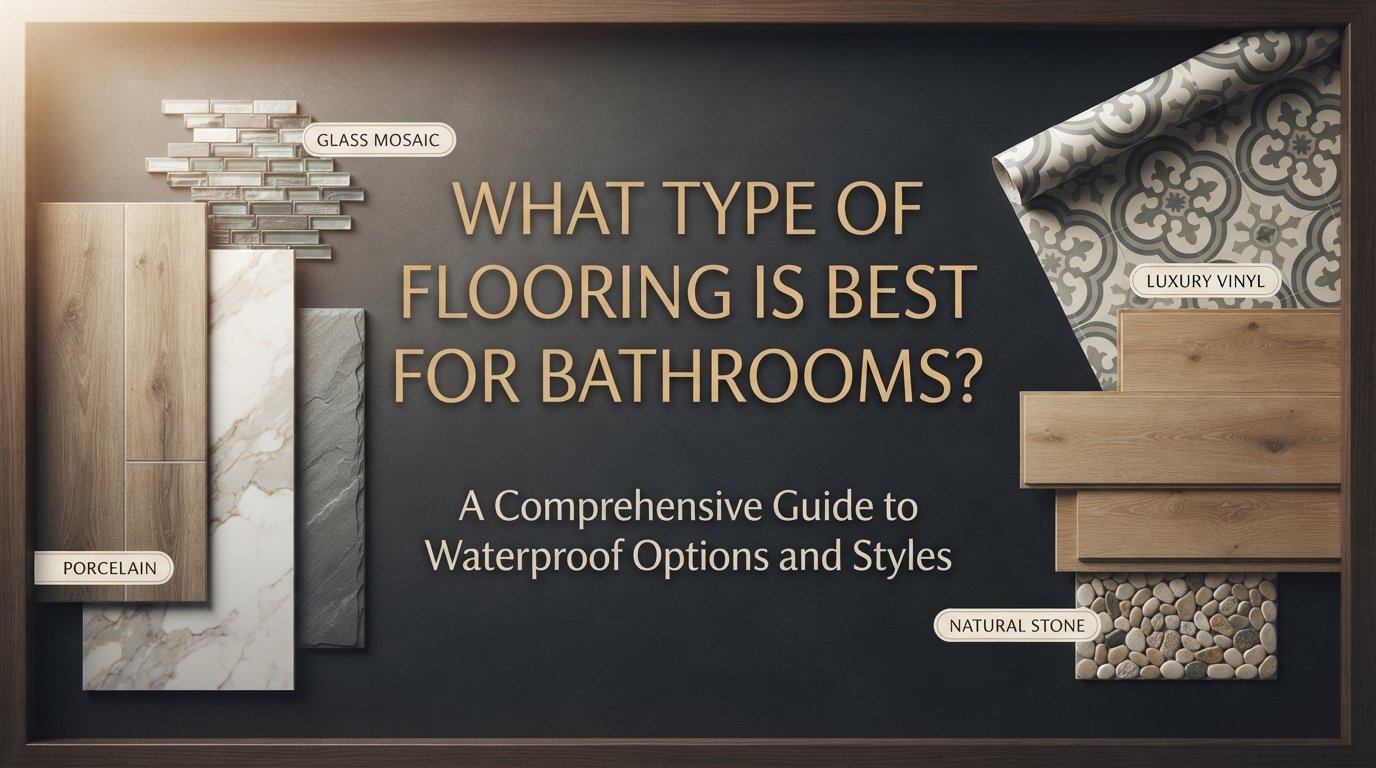
For many bathrooms, porcelain tile is one of the best flooring options because it is dense, durable, available in many styles, and generally has low water absorption. Ceramic tile can also be an excellent choice when the specific product is rated for bathroom flooring.
Other options include natural stone, luxury vinyl, and certain specialty flooring products.
At Ray Tile LLC, we understand that choosing bathroom flooring involves more than selecting a color or pattern. The material, surface finish, installation, maintenance, and conditions of the bathroom all matter.
What Is the Best Flooring for a Bathroom?
Porcelain tile is one of the best overall choices for bathroom flooring. It combines durability, design flexibility, and low water absorption, making it suitable for many bathroom environments.
However, the best flooring depends on the specific bathroom and your priorities.
Some of the most popular bathroom flooring options include:
Porcelain tile
Ceramic tile
Natural stone
Luxury vinyl
Mosaic tile
Cement tile
For tile flooring, always check the manufacturer’s specifications to make sure the specific product is appropriate for floors and wet areas.
1. Porcelain Tile for Bathroom Floors
Porcelain tile is a popular choice for bathroom floors because it is dense and generally has low water absorption.
Porcelain can also replicate the appearance of other materials, including:
Natural stone
Marble
Wood
Concrete
Slate
Limestone
This allows you to create different bathroom styles without necessarily using the natural material itself.
Benefits of Porcelain Bathroom Flooring
Low water absorption
Durable surface
Many design options
Available in numerous sizes
Suitable for many residential bathrooms
Relatively easy to maintain
For a bathroom floor, consider a porcelain product with an appropriate surface texture and slip-resistance characteristics for the intended environment.
2. Ceramic Tile for Bathroom Floors
Ceramic tile is another popular bathroom flooring option.
Ceramic tiles are made primarily from clay and mineral materials and are shaped and fired at high temperatures. They are available in numerous colors, shapes, patterns, sizes, and finishes.
Ceramic tile can be used for:
Bathroom floors
Bathroom walls
Shower walls
Backsplashes
Decorative features
One important consideration is that not every ceramic tile is designed for flooring. When selecting ceramic tile for a bathroom floor, make sure the specific product is rated for floor use and suitable for the expected moisture and traffic.
3. Natural Stone Bathroom Flooring
Natural stone can create a luxurious and distinctive bathroom.
Popular natural stone options include:
Marble
Granite
Slate
Travertine
Limestone
One of the biggest attractions of natural stone is its natural variation. Veining, texture, and color can differ from one piece to another.
Advantages of Natural Stone
Premium appearance
Natural variation
Many colors and textures
Can complement traditional and modern bathrooms
What to Consider
Some natural stone products are porous and may require sealing and specialized maintenance.
Natural stone also tends to require more care than some ceramic or porcelain products.
4. Luxury Vinyl Flooring
Luxury vinyl flooring is another bathroom flooring option.
Modern luxury vinyl products are available in designs that resemble:
Wood
Stone
Marble
Concrete
One advantage is that vinyl can provide a softer and warmer feeling underfoot than many hard tile surfaces.
However, bathroom suitability depends on the specific product and installation system. Follow the manufacturer’s requirements, particularly around seams, edges, moisture, and subfloor preparation.
5. Mosaic Tile for Bathroom Floors
Mosaic tiles can be particularly useful for bathroom floors.
Because mosaic tiles are made up of smaller pieces, they can provide more grout lines and visual texture across the floor.
Mosaic tiles can be made from:
Porcelain
Ceramic
Glass
Natural stone
Why Use Mosaic Tile?
Mosaics can provide:
Decorative patterns
Greater design flexibility
Smaller-format options for certain bathroom layouts
Attractive shower-floor designs
For wet areas, choose a product specifically appropriate for the application and consider the surface texture and slip-resistance characteristics.
6. Cement Tile
Cement tile can provide a distinctive patterned appearance.
It is often selected for bathrooms where homeowners want:
Bold patterns
Decorative floors
Vintage-inspired designs
Geometric patterns
Colorful flooring
Because cement-based tiles can be porous, maintenance and sealing requirements should be considered before installation.
What Should You Look for in Bathroom Flooring?
The appearance of a bathroom floor is important, but performance should come first.
1. Water Resistance
Bathrooms naturally experience water and humidity.
Choose a flooring product designed for the amount of moisture it will encounter.
For tile, remember that the performance of the entire installation depends on more than the tile itself. Proper substrate preparation, waterproofing where required, grout, and installation are all important.
2. Slip Resistance
A wet floor can become slippery.
For bathroom floors, pay attention to the manufacturer’s slip-resistance information and choose an appropriate surface for the conditions.
This is especially important for:
Shower floors
Bathroom floors frequently exposed to water
Bathrooms used by children
Bathrooms used by older adults
3. Durability
Bathroom flooring needs to withstand regular foot traffic, cleaning, moisture, and everyday use.
Porcelain and appropriately rated ceramic tiles can provide durable options for many bathrooms.
4. Easy Maintenance
Nobody wants a bathroom floor that requires complicated maintenance.
Consider how easy the tile or flooring is to:
Sweep
Vacuum
Mop
Clean
Maintain
Don’t forget about grout. The tile itself may be easy to clean while grout joints may require additional attention.
5. Appearance
Bathroom flooring can dramatically influence the overall design.
Popular bathroom flooring styles include:
Marble-look
Stone-look
Wood-look
Concrete-look
Geometric
Subway-inspired
Hexagon
Neutral large-format
Mosaic
Porcelain vs. Ceramic Tile for Bathroom Floors
One of the most common questions is whether porcelain or ceramic tile is better for a bathroom.
Both can be excellent choices when the specific product is appropriate for floor installation.
| Feature | Porcelain | Ceramic |
|---|---|---|
| Density | Generally denser | Generally less dense |
| Water absorption | Generally lower | Varies by product |
| Design options | Extensive | Extensive |
| Bathroom use | Floors and walls | Floors and walls, depending on product |
| Maintenance | Generally straightforward | Generally straightforward |
| Cutting | Can be harder to cut | Often easier to cut |
Porcelain is technically a type of ceramic tile, but its manufacturing characteristics generally result in a denser, less water-absorbent product.
For a bathroom floor, don’t choose solely based on whether the tile is porcelain or ceramic. Check the specific product’s ratings and intended application.
What Size Tile Is Best for a Bathroom Floor?
There isn’t one perfect tile size for every bathroom.
Common bathroom floor sizes include:
Small mosaics
12 × 12 inches
12 × 24 inches
24 × 24 inches
Other large-format sizes
Small Bathroom
Large-format tiles can sometimes make a small bathroom appear more open because there are fewer grout lines.
However, smaller mosaics can also be useful, particularly in shower areas where the additional grout joints can provide more opportunities for foot placement.
Large Bathroom
Large-format porcelain or ceramic tiles can create a clean, contemporary appearance in larger bathrooms.
Ultimately, the best size depends on the room dimensions, layout, drainage requirements, design, and installation conditions.
What Color Flooring Is Best for a Bathroom?
The best color depends on your design preferences and how you want the bathroom to feel.
Light Colors
White, cream, beige, and light gray can create a bright and spacious appearance.
Dark Colors
Charcoal, dark gray, black, and deep brown can create a dramatic and sophisticated look.
Neutral Colors
Gray, beige, taupe, and stone-inspired colors are popular because they can work with many different bathroom styles.
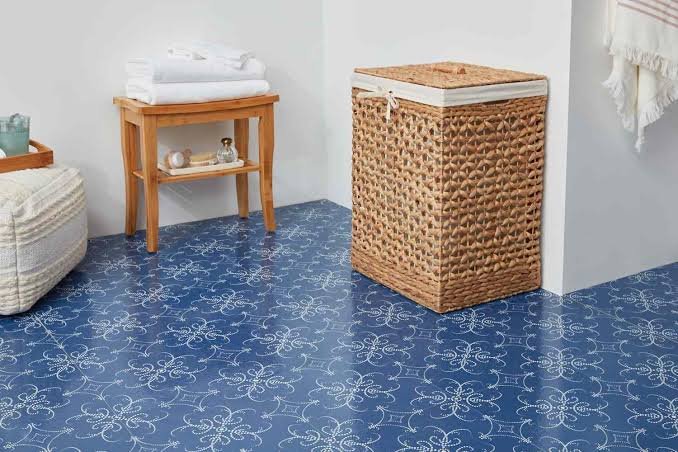
Patterned Tiles
Geometric and decorative tiles can become a focal point and add personality to an otherwise simple bathroom.
Is Tile Better Than Vinyl for a Bathroom?
Both tile and vinyl can be suitable bathroom flooring options, but they offer different characteristics.
Tile may be preferable if you want:
A hard, durable surface
Extensive design options
Porcelain or ceramic construction
Stone or wood-look designs
A long-term flooring material
Luxury vinyl may be preferable if you want:
A softer feel underfoot
Wood-look or stone-look designs
Potentially simpler installation depending on the product
A flooring material that doesn’t feel as hard as tile
The specific product and installation quality matter with both options.
What Flooring Should You Avoid in a Bathroom?
Not every flooring material is suitable for a wet environment.
Before installing any flooring in a bathroom, check whether the manufacturer specifically approves it for bathroom or wet-area use.
You should be particularly cautious with materials that are highly sensitive to moisture, water intrusion, or humidity.
For tile installations, appropriate waterproofing and proper installation are essential in areas exposed to significant water.
How to Maintain Bathroom Tile Flooring
Proper maintenance can help your bathroom flooring remain attractive for years.
Regular Cleaning
Sweep or vacuum the floor regularly to remove dirt and debris.
Mop Appropriately
Use a cleaning product recommended for your specific flooring material.
Clean Grout
Grout lines can collect dirt and require periodic cleaning.
Address Spills
Don’t allow standing water or spills to remain on the floor unnecessarily.
Follow Manufacturer Instructions
Natural stone, cement tile, and specialty flooring may have specific cleaning and sealing requirements.
How Much Does Bathroom Flooring Cost?
Bathroom flooring costs can vary substantially.
Your total project cost may depend on:
Flooring material
Tile size
Tile design
Room size
Subfloor condition
Installation complexity
Removal of existing flooring
Waterproofing requirements
Grout and installation materials
Labor
A basic ceramic tile installation may have a different cost from a premium natural stone or large-format porcelain installation.
For an accurate project budget, evaluate the complete installation rather than comparing tile prices alone.
Frequently Asked Questions About Bathroom Flooring
What type of flooring is best for a bathroom?
Porcelain tile is one of the best overall bathroom flooring options because it is dense, generally low in water absorption, durable, and available in many styles. Appropriately rated ceramic tile, natural stone, and certain luxury vinyl products can also be excellent choices.
Is porcelain or ceramic better for a bathroom floor?
Both can work well. Porcelain is generally denser and less water-absorbent, while ceramic offers a wide variety of designs and can be easier to cut. The specific product’s rating and intended application should determine the final choice.
What is the most waterproof bathroom flooring?
Porcelain and other low-water-absorption flooring products can provide excellent moisture resistance, but no flooring should be considered the entire waterproofing system. Proper installation and waterproofing are essential in areas exposed to significant water.
What is the safest bathroom floor?
A bathroom floor with an appropriately slip-resistant surface is generally preferable to a smooth, slippery surface. Always check the manufacturer’s slip-resistance information for the specific product.
What size tile is best for a small bathroom?
Both large-format and small-format tiles can work in small bathrooms. Large tiles can reduce the number of grout lines, while smaller mosaics can be useful for certain shower floors. The best size depends on the layout and installation requirements.
Are ceramic tiles good for bathroom floors?
Yes. Ceramic tiles can be an excellent bathroom flooring option when the specific tile is rated for floor use and appropriate for the bathroom environment.
Are natural stone tiles good for bathrooms?
Yes, natural stone can create a beautiful bathroom floor. However, some stone is porous and may require sealing and specialized maintenance.
Is luxury vinyl good for bathroom floors?
Certain luxury vinyl products are designed for bathroom use and can provide a comfortable and attractive flooring option. Always follow the manufacturer’s installation and moisture requirements.
Final Thoughts: Choosing the Best Bathroom Flooring
So, what type of flooring is best for a bathroom?
For many homeowners, porcelain tile is an excellent overall choice because it offers durability, low water absorption, design flexibility, and relatively straightforward maintenance. Ceramic tile can also be an excellent option when appropriately rated for bathroom floors.
Natural stone, mosaic, cement tile, and luxury vinyl can provide additional choices depending on your budget, style, maintenance expectations, and the conditions of the bathroom.
The most important factors are moisture resistance, slip resistance, durability, maintenance, installation requirements, and overall design.
Before choosing a product, review its specifications and make sure it is designed for the specific bathroom application.
Looking for tile for your next bathroom project? Explore the options available from Ray Tile LLC and find a flooring style that fits your space.
Quick Answer
The best bathroom flooring for many homes is porcelain tile because it is dense, durable, generally low in water absorption, and available in a wide range of designs. Ceramic tile is another excellent choice when rated for floor use. Natural stone, mosaic tile, and certain luxury vinyl products can also work well depending on the bathroom, installation, maintenance requirements, and design goals.